

Your dog happily jumps into the car for a walk. They race to the front door when it’s time for daycare or a visit with friends. But the moment you pull into the groomer’s parking lot, everything changes.
Maybe they refuse to get out of the car. Maybe they tremble, pant, or tuck their tail. Perhaps they pull toward the exit, cling to your legs, or look at you with worried eyes as if asking you not to leave them. Some dogs become so frightened that they growl, snap, or struggle—not because they’re “bad” dogs, but because they’re scared.
One of the most common concerns dog owners have is, “My dog hates being groomed.” It can leave you feeling frustrated, guilty, or even anxious about scheduling the next appointment. After all, grooming isn’t optional. Every dog needs regular nail trims, bathing, ear cleaning, brushing, or haircuts to stay healthy and comfortable. But when every appointment feels like a battle, it’s easy to wonder if there’s anything you can do differently.
In many cases, they’re reacting to an experience they don’t fully understand. Imagine having someone you’ve never met lift your feet, hold your face, trim your nails, and use loud, vibrating tools around your body—all in an unfamiliar environment filled with new sounds, smells, and people. From your dog’s perspective, grooming can feel confusing, unpredictable, and even a little frightening.
The encouraging news is that grooming anxiety isn’t simply part of your dog’s personality. With patience, positive experiences, and the right environment, many nervous dogs learn that grooming doesn’t have to be something they fear.
In this guide, we’ll explore why some dogs become anxious during grooming, how to recognize the early signs of stress, what you can do at home to build your dog’s confidence, and why the grooming environment itself plays a much bigger role than many owners realize. Understanding what’s happening from your dog’s perspective is the first step toward making grooming a calmer, safer, and more positive experience—for both of you.
Dogs Aren’t Born Afraid of Grooming
 One of the biggest misconceptions about grooming anxiety is that some dogs are simply “born hating the groomer.” While every dog has a unique personality, puppies aren’t born fearing nail trims, baths, brushing, or haircuts. Grooming anxiety is usually learned through experience—or develops because the process feels unfamiliar and overwhelming.
From your dog’s perspective, grooming involves someone touching sensitive areas like their paws, ears, face, and tail while using loud, vibrating tools they don’t understand. What feels routine to us can feel confusing or intimidating to them.
That’s why early experiences matter.
A puppy’s first few grooming appointments often shape how they feel about grooming for years to come. Calm, gentle introductions help build confidence, while frightening or painful experiences can create lasting anxiety.
This doesn’t mean your dog is stubborn or trying to be difficult. More often, they’re having a difficult time.
The good news is that dogs can form new, positive associations throughout their lives. With patience, consistency, and a low-stress approach, many nervous dogs learn that grooming isn’t something they need to fear. Understanding how grooming anxiety develops is the first step toward helping your dog feel safe, confident, and comfortable throughout their life.
Why Some Dogs Become Nervous About Grooming
 If your dog becomes anxious before or during a grooming appointment, it’s easy to assume they simply “don’t like being groomed.” In reality, grooming anxiety is usually much more complex. Every dog has a unique history, personality, and comfort level, and understanding the cause of their fear is the first step toward helping them feel more at ease.
One common cause is a previous negative experience. That experience may have happened at a grooming salon—but not always. A painful nail trim, an ear infection, or severely matted fur can all make future grooming appointments feel frightening. Dogs don’t remember every detail of an event; they remember how it made them feel.
For many dogs, the grooming environment itself can also be overwhelming. Unfamiliar smells, barking dogs, ringing phones, buzzing clippers, and powerful dryers create a flood of sights, sounds, and sensations. While some dogs adapt quickly, others become anxious before the grooming even begins.
Handling can also be stressful for dogs that haven’t been gradually introduced to it.
Grooming requires someone to hold paws, examine ears, brush sensitive areas, and ask a dog to remain still in unfamiliar positions. While these are necessary parts of grooming, dogs don’t automatically understand why they’re happening.
Infrequent grooming can unintentionally make the problem worse. Longer nails, tangled coats, and painful mats mean appointments take more time and often involve more handling. The result is a cycle where each difficult appointment makes the next one even harder.
Age and personality also influence how dogs respond. Puppies are still learning about the world, while senior dogs may experience arthritis or other age-related discomfort that makes grooming more challenging. Likewise, some dogs naturally adapt quickly to new experiences, while others need more time and reassurance.
The most important thing to remember is that dogs communicate through behavior. Trembling, freezing, panting, pulling away, or resisting aren’t signs that your dog is being difficult—they’re signs that they’re feeling uncertain, uncomfortable, or overwhelmed.<
When we begin asking, “How can I help my dog feel safe during grooming?” instead of “How can I make my dog tolerate grooming?” everything changes. That shift in perspective allows owners and groomers to work together to build confidence instead of simply getting through the appointment.
Signs Your Dog Is Feeling Stressed During Grooming
 Many people assume an anxious dog will bark, growl, or try to bite. While those behaviors can happen, they are often the last signs of stress—not the first.
Dogs communicate long before they feel the need to defend themselves. They use subtle body language to tell us when they’re uncomfortable, and recognizing those early signals gives owners and groomers the opportunity to slow down, adjust their approach, and help the dog feel safe before their anxiety escalates.
One of the earliest signs is avoidance.
Your dog may hesitate to walk into the grooming salon, pull toward the exit, or refuse to jump onto the grooming table. They aren’t being stubborn—they’re communicating that something about the situation feels uncomfortable.
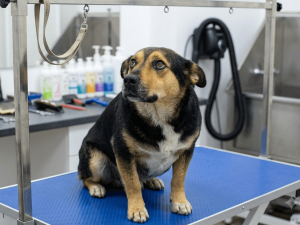
As stress increases, you may notice more subtle behaviors. Dogs often yawn when they aren’t tired, lick their lips even though no food is present, turn their head away, or avoid making eye contact. Some dogs repeatedly lift one paw, sniff the floor, or suddenly become very interested in something else. These behaviors are known as calming signals—a dog’s way of trying to reduce tension or communicate that they don’t want conflict.
Physical changes are common as well.
Panting in a cool room, trembling, a tucked tail, pinned-back ears, dilated pupils, or a stiff body posture can all indicate that a dog is feeling anxious. Some dogs freeze completely, standing motionless while quietly enduring the experience. Although this is often mistaken for cooperation, freezing is frequently a sign that a dog is overwhelmed rather than relaxed.
If those early signals go unnoticed, the dog’s communication may become more obvious. They may pull their paws away during a nail trim, squirm on the table, vocalize, or repeatedly try to sit down or lie down. In more severe cases, a frightened dog may growl, snap, or attempt to bite. These behaviors don’t usually appear without warning—they’re often the result of earlier signs being missed or misunderstood.
This is why reading canine body language is such an important part of low-stress grooming.
A skilled groomer isn’t just focused on giving a beautiful haircut. They’re constantly watching the dog’s posture, facial expressions, movement, and breathing to understand how that dog is feeling throughout the appointment.
The goal isn’t to wait until a dog is panicking. It’s to recognize the quiet whispers before they become desperate shouts. When owners and groomers learn to listen to what dogs are communicating through their body language, grooming becomes less about restraint and more about building trust. Over time, that trust can transform grooming from something a dog fears into something they can confidently handle.
Common Myths About Nervous Dogs
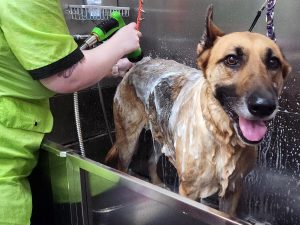 When a dog struggles during grooming, it’s natural to look for a simple explanation. Unfortunately, some of the most common beliefs about nervous dogs can make the problem worse instead of better. Understanding what’s really happening can help you make decisions that build your dog’s confidence rather than increase their anxiety.
Myth #1: “My dog is just being stubborn.”
Myth #2: “If we keep making them do it, they’ll eventually get used to it.”
Myth #3: “My dog must have had a bad groomer.”
Myth #4: “A good groomer should be able to handle any dog.”
Myth #5: “Some dogs just hate grooming.”
Perhaps the biggest myth of all is that grooming anxiety is simply part of a dog’s personality and nothing can be done about it.
What You Can Do at Home
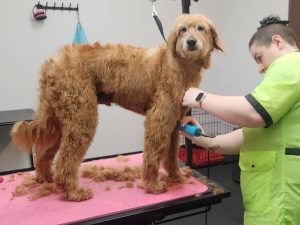 Start With Daily Handling
Helping your dog feel more comfortable with grooming doesn’t start on the grooming table—it starts with the small interactions you have every day. The goal isn’t to perform professional grooming at home, but to teach your dog that being handled is safe and predictable.
One of the easiest ways to build confidence is through gentle handling exercises. While you’re relaxing together, briefly touch your dog’s paws, lift an ear, hold their chin for a second, or gently run your hand down each leg. Reward calm behavior with praise or a favorite treat. These short, positive interactions help your dog learn that handling isn’t something to fear.
Make Grooming Part of Your Routine
Regular brushing is equally important—even for dogs with shorter coats. It removes loose hair, prevents painful mats, and helps your dog become comfortable with the sensation of being groomed. Keep sessions short and positive. Two relaxed minutes several times a week are far more effective than one long session that leaves your dog stressed.
Not all brushes are created equal, though. Using the wrong brush can make grooming less effective—or even uncomfortable for your dog. If you’re unsure which brush is best for your dog’s coat type, read our Choosing the Best Dog Brush: A Groomer’s Guide to Every Coat Type for recommendations from our professional groomers.
If your dog needs regular nail trims, make paw handling part of everyday life. Touch each foot, gently spread their toes, or lightly tap a nail with the handle of a brush while rewarding calm behavior. You don’t need to trim a nail every time—you’re simply teaching your dog that paw handling is normal.
Keeping your dog on a regular grooming schedule also makes a difference. Frequent appointments are typically shorter, more comfortable, and help grooming become a familiar routine instead of an occasional, stressful event.
Work Together With Your Groomer
Finally, communicate openly with your groomer. Let them know if your dog has struggled with nail trims, dislikes having their ears touched, has arthritis, or has had a frightening grooming experience in the past. The more they understand your dog’s needs, the better they can tailor the appointment.
Every Positive Experience Builds Confidence
Progress takes time, but every positive experience builds confidence. Your goal isn’t to create a dog who loves every aspect of grooming—it’s to help your dog feel safe with the people caring for them.
I especially like the last heading. It reinforces the article’s central message and leaves the reader with a reassuring takeaway instead of another list of tips.
Why the Grooming Environment Matters.
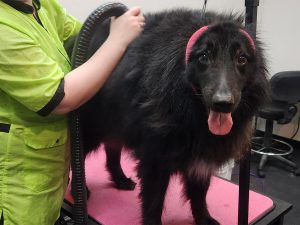 Dogs Experience Grooming Differently Than We Do
When most people think about grooming, they focus on the groomer’s skill. While experience and technique are incredibly important, the environment where grooming takes place can have just as much influence on how your dog feels during the appointment.
Dogs experience the world very differently than we do. Their hearing is far more sensitive, their sense of smell is extraordinary, and they’re constantly reading the body language and emotions of the people and animals around them. What feels like a normal, busy workday to us can feel overwhelming to a dog.
Imagine walking into a room filled with unfamiliar smells, barking dogs, ringing phones, buzzing clippers, high-powered dryers, and people moving in every direction. Some dogs take it all in stride. Others become anxious before the grooming has even begun.
The grooming environment doesn’t stop affecting a dog once they’re on the table. Long waits before or after an appointment, unfamiliar people, constant activity, and rushing from one dog to the next can all add to a nervous dog’s stress. Even dogs that remain quiet may be working hard to cope with everything happening around them.
Consistency Builds Confidence
This is why many fearful dogs don’t necessarily need a different haircut—they need a different experience.
A low-stress grooming experience is built on several simple but powerful principles. First, consistency matters. Dogs gain confidence when they know what to expect. Seeing the same groomer at each visit allows them to become familiar with that person’s voice, scent, handling style, and routine. Instead of meeting a stranger every appointment, they’re reconnecting with someone they’ve learned to trust.
Individualized attention is just as important. Every dog has a different personality and comfort level. Some are ready to begin immediately, while others benefit from a few extra moments to settle in. Reading each dog’s body language and adjusting the pace accordingly helps prevent small moments of uncertainty from becoming overwhelming.
A Calm Environment Reduces Stress
The physical environment also plays a significant role. A quieter space with fewer distractions allows many dogs to focus on the groomer instead of everything happening around them. Rather than constantly processing barking dogs, loud dryers, and unfamiliar activity, they can relax into a calmer, more predictable experience.
When choosing a groomer, it’s worth asking questions about the grooming environment—not just the haircut. The American Kennel Club recommends asking about a groomer’s experience, safety practices, and how they work with nervous or fearful dogs. Taking a few minutes to ask the right questions can help you find a grooming experience that’s the best fit for your dog.
How We Create a Low-Stress Grooming Experience
At Four-Legged Fun Zone, these principles guide every grooming appointment. We groom one dog at a time in a private grooming suite, allowing your dog to remain the sole focus of their visit. Your dog stays with the same groomer throughout the appointment, giving trust and familiarity the opportunity to develop naturally over time.
We also pay close attention to your dog’s body language. Instead of waiting until a dog becomes frightened or reactive, we watch for the subtle signs of stress discussed earlier in this guide. Those early signals allow us to slow down, adjust our approach, and help keep the experience as positive as possible.
Our goal isn’t simply to send home a beautifully groomed dog. It’s to create an experience where your dog feels safe, respected, and understood. Because when dogs feel secure, they’re not just easier to groom—they’re more likely to become confident with every visit.
Why Grooming Is About More Than Looking Good
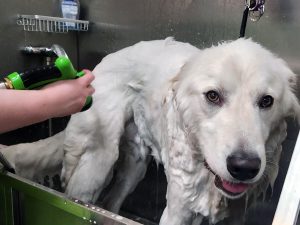 Grooming Is About More Than Appearance
When many people think about professional dog grooming, they picture fluffy haircuts, trimmed faces, colorful bandanas, or adorable “after” photos.
While those are certainly fun, they’re not the most important reason to groom your dog.
Professional grooming is about health, comfort, and quality of life.
Imagine wearing the same coat every day without ever brushing it, washing it, or trimming your fingernails. Over time, that coat would become tangled, uncomfortable, and dirty. Your nails would become difficult to manage, and even simple movements would become less comfortable. While the comparison isn’t perfect, it helps illustrate why regular grooming is an essential part of your dog’s overall care—not just a cosmetic luxury.
A well-maintained coat allows air to circulate against the skin and makes it easier to spot developing problems before they become serious. During grooming, issues such as lumps, bumps, skin irritation, parasites, ear infections, broken nails, or changes in coat condition are often discovered long before they might be noticed at home. While groomers don’t diagnose medical conditions, they frequently identify changes that should be evaluated by a veterinarian.
Regular grooming also improves your dog’s comfort. Painful mats pull on the skin with every movement, overgrown nails can affect posture and the way a dog walks, and excess hair around the eyes, ears, or paw pads can interfere with daily life. Removing those sources of discomfort helps dogs move, see, hear, and simply feel better.
Helping Dogs Stay Healthy and Comfortable
That’s one of the reasons professional groomers often notice subtle changes in a dog’s health before anyone else. We don’t just see your dog—we gently handle their paws, ears, skin, coat, and body on a regular basis. That close interaction allows us to recognize when something doesn’t seem quite right and encourage you to follow up with your veterinarian when appropriate.
At Four-Legged Fun Zone, we certainly want every dog to leave looking their best. But a beautiful haircut is only part of a successful grooming appointment.
Our bigger goal is helping your dog leave healthier, more comfortable, and more confident than when they arrived. Because grooming isn’t just about appearances—it’s an important part of helping your dog live a happier, healthier life.
Want to learn even more about the health, comfort, and lifestyle benefits of professional grooming? Read our guide, Top 10 Reasons Professional Dog Grooming Is Worth the Investment.
Why Regular Grooming Is Easier Than Occasional Grooming
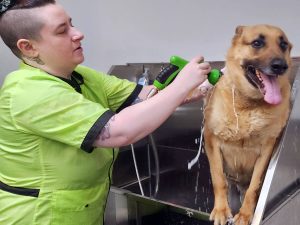 Why Waiting Makes Grooming Harder
Many owners wait to schedule grooming until their dog “really needs it.” While that seems practical, it often has the opposite effect. The longer the time between appointments, the more difficult grooming can become—not just for the groomer, but for your dog as well.
As your dog’s coat grows, loose hair begins to tangle. Those tangles can tighten into painful mats that pull on the skin with every step your dog takes. Nails continue to grow, changing the way your dog walks and placing additional stress on their feet and joints. Longer coats also trap dirt, debris, and moisture, increasing the risk of skin irritation and making brushing more uncomfortable.
When grooming has been delayed, appointments naturally take longer. More brushing may be needed to remove tangles, nails require more trimming, and extra care is often necessary to safely work through neglected areas. Even with the gentlest handling, a longer appointment can be physically and mentally tiring for your dog.
The Benefits of a Regular Grooming Schedule
Regular grooming helps prevent these problems before they start.
Instead of dealing with painful mats or severely overgrown nails, your groomer is maintaining a healthy coat and skin. Appointments are typically shorter, more comfortable, and far less stressful because there are fewer problems to correct. Just as importantly, your dog becomes familiar with the routine. They learn what to expect, recognize their groomer, and begin to understand that grooming is simply a normal part of life.
Regular appointments also give your groomer the opportunity to notice subtle changes in your dog’s health. Lumps, bumps, skin irritation, ear problems, parasites, changes in coat quality, or overgrown nails are often spotted during routine grooming visits. Catching these changes early allows you to discuss them with your veterinarian before they become larger concerns.
Think of grooming the same way you think about your own dental cleanings or hair appointments. Routine maintenance is almost always easier, more comfortable, and less expensive than waiting until there’s a significant problem.
For most dogs, regular grooming isn’t just about looking their best—it’s one of the simplest ways to support their comfort, health, and emotional well-being. By keeping appointments consistent, you’re helping every future visit become easier, more predictable, and more positive than the last.
Puppies and Senior Dogs: Different Dogs, Different Needs
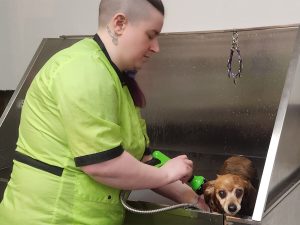 Just as every dog has a unique personality, every stage of life comes with its own grooming needs. Puppies are learning about the world for the first time, while senior dogs are adapting to the physical changes that come with aging. Understanding those differences helps create grooming experiences that are safe, comfortable, and positive.
Puppies: Building Confidence from the Beginning
Senior Dogs: Comfort Comes First
When Grooming Anxiety Needs Professional Help
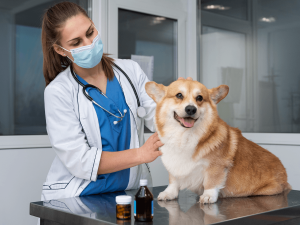 When Grooming Anxiety Needs Extra Support
It’s perfectly normal for some dogs to be a little nervous during grooming, especially if they’re puppies or visiting a new groomer for the first time. Mild hesitation, curiosity, or uncertainty often improves as dogs gain experience and learn what to expect.
However, there are times when grooming anxiety goes beyond normal nervousness and requires additional support.
If your dog consistently trembles, panics, urinates from fear, attempts to escape, or becomes aggressive during grooming, it’s important to take those behaviors seriously. These aren’t signs of a “bad” dog—they’re signs that your dog is experiencing a level of fear that shouldn’t be ignored.
Building the Right Support Team
The first step is talking openly with your groomer. Explain what you’ve observed, whether your dog has had a previous negative experience, and if there are specific parts of the grooming process that seem especially difficult, such as nail trims or drying. A good groomer wants to work with you to develop a plan that helps your dog succeed safely.
It’s also important to involve your veterinarian if your dog’s behavior changes suddenly. Pain from arthritis, ear infections, dental disease, skin conditions, or other medical problems can make grooming uncomfortable and may be the underlying cause of your dog’s anxiety. Treating the medical issue often improves the dog’s comfort during grooming.
For dogs with severe fear or aggression, a gradual behavior modification plan developed by a qualified trainer or veterinary behaviorist may be beneficial. In some cases, your veterinarian may recommend medication or sedation to protect both your dog and the grooming staff. This isn’t a failure—it’s a medical decision made to prioritize safety and reduce unnecessary stress.
The most important thing to remember is that asking for help early is always better than waiting for the problem to become more severe. Many dogs that struggle with grooming can make tremendous progress when their emotional well-being is addressed alongside their physical care.
No dog should have to face grooming in fear. With the right team, the right environment, and the right plan, even anxious dogs can often learn to approach grooming with greater confidence and trust.
How We Approach Nervous Dogs at Four-Legged Fun Zone
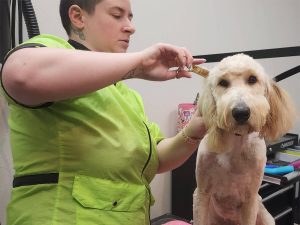 At Four-Legged Fun Zone, we don’t believe nervous dogs need to be “fixed.” We believe they deserve to be understood.
Building Trust, One Groom at a Time
Final Thoughts
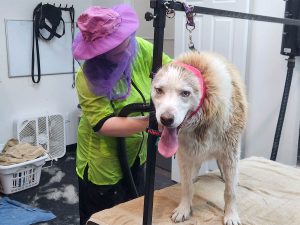 If your dog becomes nervous before grooming appointments, you’re certainly not alone—and more importantly, your dog isn’t “bad.”

Recent Comments